

The Psychological Allure of Gambling
Casinos are meticulously crafted environments designed to captivate the human mind, leveraging the intrinsic allure of chance and luck. The psychological appeal of gambling arises from the intoxicating mix of uncertainty and possibility that every game presents. Each spin of the wheel or pull of the lever ignites a rush of anticipation, stimulating the brain’s reward system. This powerful reaction transforms mundane moments into exhilarating experiences, compelling players to return for more, as the thrill of winning—even if the win is small—can evoke a deeply satisfying emotional response, especially when playing at a ripper casino where the excitement never seems to fade.
Moreover, the design and atmosphere of casinos play a pivotal role in amplifying this psychological engagement. The vibrant colors, flashing lights, and the rhythmic sounds of coins clinking together create an electrifying ambiance that heightens feelings of euphoria. This sensory overload not only distracts players from the potential losses but also reinforces their belief that luck could favor them at any moment. The tantalizing prospect of hitting a life-changing jackpot keeps players glued to their seats, perpetuating the cycle of gambling and underscoring the emotional investment they make in each game.
Additionally, cognitive biases significantly influence why individuals are drawn to casinos. Many gamblers tend to overestimate their chances of winning based on past experiences or anecdotal stories about others’ successes. This cognitive phenomenon, known as the “illusion of control,” leads players to believe they can influence the outcome of random events. Coupled with the excitement of the game, these psychological factors create a potent mix of hope and thrill, ensuring that casinos continue to thrive on the exhilarating experiences derived from chance and luck.
The Role of Luck in Casino Games
Luck serves as the cornerstone of casino games, and it is this unpredictability that enhances their appeal. In games such as slots, roulette, and baccarat, outcomes hinge entirely on chance, allowing players to revel in the thrill of uncertainty. This element creates an environment where anyone can emerge as an instant winner with just a single wager, a notion that is particularly enticing for both casual players and high rollers alike. The allure of immediate gratification is a powerful draw, as it promises excitement with every play.
The inherent randomness of game outcomes establishes a level playing field, inviting individuals from diverse backgrounds to partake in the experience. This accessibility is a crucial factor in why people flock to casinos. Unlike skill-based games, where expertise significantly influences success, luck-based games offer instant rewards without requiring extensive knowledge or practice. This simplicity invites participation, drawing in both novices and seasoned gamblers eager for a rush of adrenaline as they engage in the unpredictable dance of chance.
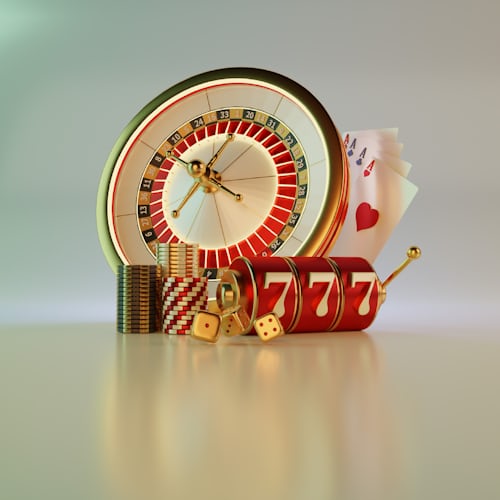
Furthermore, luck is often interwoven with the narratives players construct around their gambling experiences. The tale of a significant win or a heart-stopping near-miss creates a personal connection to the game, heightening engagement. This narrative aspect not only adds to the entertainment value but also reinforces the belief in luck as a tangible force capable of altering outcomes. As players chase these narratives, they become driven to continue their gambling adventures, further solidifying the casino’s role as a vibrant hub of chance and luck.
The Impact of Chance on Player Behavior
The element of chance profoundly influences player behavior within casinos. The unpredictability of game outcomes encourages risk-taking and generates a whirlwind of emotions throughout a gambling session. Often, a single win can ignite a surge of enthusiasm, prompting players to increase their bets in an attempt to replicate that initial success. Regrettably, this pattern can lead to a cycle of chasing losses, which ultimately fuels the casino’s profitability as players strive for that elusive next win.
Beyond the immediate thrill of winning, behavior driven by chance can engender social dynamics among players. Interactions at gaming tables or slot machines foster camaraderie, as players collectively revel in the highs and lows of their gambling experiences. This sense of community enriches the overall experience, ensuring that the thrill of chance becomes not merely an individual pursuit but a shared journey. The social aspect of gambling acts as a powerful catalyst for repeat visits, as players seek both the excitement of winning and the joy of communal engagement.
Moreover, the psychological ramifications of chance can shape long-term gambling patterns, often leading individuals to develop habitual behaviors. The ‘near-miss’ phenomenon, wherein players come tantalizingly close to hitting a jackpot, can encourage continued play, reinforcing the belief that a win is just around the corner. Consequently, the impact of chance on player behavior transcends individual moments, influencing the broader landscape of gambling within casinos and sustaining their thriving operations.
The Statistical Edge of Casino Games
Casinos operate on a foundational business model that incorporates the mathematical principles of chance. Each game is meticulously designed with a built-in house edge, ensuring that, over time, the casino consistently profits from player losses. This statistical advantage creates a sustainable business environment where the excitement of chance entices players to engage and spend money, even if the odds are not in their favor. Understanding these odds is essential for players, yet many remain captivated by the allure of potential rewards.
This phenomenon indicates that while individual players may experience short-term victories, the long-term reality of gambling is often characterized by losses for the majority. The thrill of chance frequently clouds judgment, leading players to overlook the odds in favor of the excitement that accompanies the game. The promise of substantial payouts and the occasional significant win can motivate continued play, even when rational assessment would dictate caution.
Furthermore, the sophisticated application of statistics in game design heightens the entertainment value of casinos. Games are carefully crafted to maximize player engagement, ensuring that individuals feel invested and entertained throughout their experience. This blend of chance, excitement, and statistical analysis creates an ecosystem where casinos can flourish, maintaining a delicate balance between offering the potential for winnings and ensuring profitability through the house edge. Studying these statistical elements reveals the intricate relationship between luck and strategy that defines the gambling experience.
Exploring Online Alternatives in the Casino World
The rise of online gambling has revolutionized the landscape of how chance and luck are perceived by players. Online casinos provide a plethora of games that emulate traditional casino experiences while offering the convenience of gambling from the comfort of home. This transition has expanded access, enabling players to engage with the thrill of chance at any time and from virtually anywhere. The combination of the potential for winnings and the ease of access has made online gaming an appealing alternative for a wide range of users.
Moreover, online platforms often utilize innovative technologies like random number generators to guarantee fair play and replicate the unpredictability inherent in physical casinos. This technology reinforces the concept of luck, as players interact with games that are fundamentally random, mirroring their brick-and-mortar counterparts. The digital realm also presents unique bonuses and promotions that amplify the thrill of chance, enticing players with the possibility of increased winnings while enjoying their favorite games.
As the online gambling industry continues to expand, the excitement surrounding chance and luck remains a central theme. Digital casinos are designed to recreate the immersive atmosphere characteristic of traditional establishments while providing a more accessible platform for users. This evolution illustrates how the thrill of chance will continue to thrive, adapting to emerging trends and technologies in the casino world, ensuring that both online and physical casinos remain vibrant hubs of excitement and opportunity.