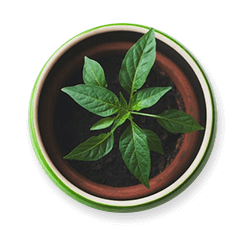

- Notable gardens benefit from insights near https://slugwatch.co.uk regarding pest pressure
- Understanding Slug Behavior and Habitat
- The Role of Garden Hygiene
- Implementing Physical Barriers
- Using Traps and Lures
- Biological Control Methods: Nematodes and Predators
- The Importance of Soil Health
- Companion Planting for Slug Deterrence
- Beyond Control: Building a Resilient Garden Ecosystem
Notable gardens benefit from insights near https://slugwatch.co.uk regarding pest pressure
https://slugwatch.co.uk. Maintaining a thriving garden is a constant battle against various pests, and slugs are often among the most persistent and damaging. Gardeners are perpetually seeking effective and sustainable ways to protect their plants from these voracious feeders. Fortunately, there’s a growing awareness of the importance of understanding pest pressure and implementing proactive strategies. Resources like
The impact of slug damage extends beyond simply aesthetic concerns. Significant infestations can devastate young seedlings, compromise crop yields, and even lead to plant death. Traditionally, gardeners have relied on chemical slug pellets, but concerns about their impact on beneficial insects, wildlife, and the environment have spurred a demand for alternative solutions. The rise of citizen science initiatives, such as those facilitated by platforms dedicated to tracking slug behavior, empowers gardeners to contribute to a broader understanding of pest dynamics and collaborate on effective control strategies. This collaborative approach is proving increasingly valuable in the face of evolving pest challenges.
Understanding Slug Behavior and Habitat
Slugs thrive in damp, dark environments, making gardens particularly hospitable. Their lifecycle and feeding habits are heavily influenced by weather conditions, with peak activity typically occurring during periods of mild, wet weather. Understanding these patterns is crucial for timing preventative measures and maximizing their effectiveness. Different slug species exhibit varying preferences for the types of plants they consume, so identifying the prevalent species in your garden can inform your plant selection and protection strategies. Monitoring slug trails and identifying feeding damage are the first steps towards understanding the extent of the problem and targeting your efforts accordingly. Regularly checking under stones, pots, and foliage will reveal hidden slug havens and allow for more direct intervention.
The Role of Garden Hygiene
Good garden hygiene plays a significant role in minimizing slug populations. Removing decaying plant debris, weeds, and fallen leaves eliminates potential hiding places and food sources for slugs. Creating a tidy garden environment reduces the overall humidity, making it less attractive to these pests. Pruning plants to improve air circulation also helps to dry out the garden and discourage slug activity. Using raised beds or containers can offer some protection, as slugs generally prefer to travel across moist soil rather than up the sides of structures. Maintaining well-drained soil is also essential, as slugs require moisture to survive. Proper compost management is key – ensure it's actively composting and doesn't remain a stagnant damp environment.
| Slug Species | Preferred Food Source | Habitat | Control Methods |
|---|---|---|---|
| Garden Slug (Arion hortensis) | Most garden plants, especially seedlings | Damp, sheltered areas | Barriers, traps, nematodes |
| Black Slug (Arion ater) | Dead vegetation, roots | Moist soil, under debris | Beer traps, copper tape |
| Red Slug (Arion rufus) | Leafy vegetables, flowers | Humus-rich soil | Handpicking, organic pellets |
| Leopard Slug (Limax maximus) | Wide range of plants | Dark, damp places | Barriers, nematodes |
Some gardeners also find success introducing natural predators, such as ground beetles, hedgehogs and frogs, which will feed on slugs. Encouraging these beneficial creatures by providing suitable habitats can contribute to a natural balance in the garden ecosystem. The table above shows common types of slugs and how to manage them effectively.
Implementing Physical Barriers
Physical barriers are a highly effective, non-toxic method of protecting vulnerable plants from slug damage. Copper tape acts as a deterrent, creating a mild electrical charge that slugs avoid crossing. Wrapping copper tape around plant pots or the stems of plants can prevent slugs from reaching their foliage. Barriers made of crushed eggshells, grit, or sharp horticultural sand create an uncomfortable surface for slugs to traverse. These materials should be applied in a wide band around plants to be effective. Raised beds or containers provide a physical barrier against ground-dwelling slugs. Investing in netting or fleece can also offer protection, particularly for young seedlings. The effectiveness of these barriers relies on consistent maintenance and ensuring there are no gaps or breaches in the protective layer.
Using Traps and Lures
Slug traps are a useful tool for monitoring slug populations and reducing their numbers. Beer traps are a classic method, attracting slugs with the scent of yeast and drowning them in a shallow container. However, beer traps can also attract beneficial insects, so careful placement is important. Citrus peel traps offer a more targeted approach, attracting slugs but typically not harming other wildlife. Other commercially available slug traps utilize different lures and capture mechanisms. Regularly checking and emptying traps is essential to maintain their effectiveness. Proper placement of traps—in shady, damp areas where slugs are known to congregate—is critical for success. Creating a small funnel allows slugs to enter but prevents escape.
- Copper Tape: Forms an electrical barrier.
- Crushed Eggshells/Grit: Creates an uncomfortable surface.
- Beer Traps: Attracts and drowns slugs.
- Citrus Peel Traps: Targeted slug attraction.
- Barriers/Netting: Prevents access to plants.
- Nematodes: Biological control method.
Combining several preventative methods offers the most comprehensive strategy for controlling slug populations. Monitoring, removing hiding spots, and utilising barriers will all help maintain a healthy garden without resorting to harsh chemicals, and utilising resources such as
Biological Control Methods: Nematodes and Predators
Biological control offers a sustainable and environmentally friendly approach to slug management. Beneficial nematodes, microscopic worms that parasitize slugs, are a highly effective tool. These nematodes are applied to the soil and actively seek out slugs, entering their bodies and releasing bacteria that kill them. Nematodes are most effective when applied during mild, moist conditions. Encouraging natural predators, such as ground beetles, hedgehogs, frogs, and birds, can also help to regulate slug populations. Providing suitable habitats for these predators, such as log piles, brush heaps, and ponds, will attract them to your garden. Avoid using chemical pesticides, as these can harm beneficial insects and disrupt the natural ecosystem. Creating a diverse garden environment with a variety of plants will support a healthy population of natural predators.
The Importance of Soil Health
Healthy soil is more resilient to pest infestations, including slugs. Improving soil structure and drainage promotes healthy plant growth, making them less susceptible to slug damage. Adding organic matter, such as compost and well-rotted manure, improves soil fertility and provides a food source for beneficial microorganisms. Maintaining a balanced soil pH also supports plant health and can deter slugs. Using cover crops can improve soil structure, suppress weeds, and provide habitat for beneficial insects. Avoiding soil compaction allows for better aeration and drainage. Regularly testing your soil and amending it as needed will ensure optimal growing conditions for your plants and help to create a thriving garden ecosystem. Properly aerated soils help with root development and create fewer hidey holes for slugs.
- Improve Soil Drainage: Reduce moisture levels.
- Add Organic Matter: Enhance soil fertility.
- Balance Soil pH: Support plant health.
- Use Cover Crops: Improve soil structure.
- Avoid Compaction: Promote aeration.
- Soil Testing: Identify nutrient deficiencies.
The complexity of slug control shows that a targeted approach is the most successful, not simply throwing chemicals at the problem. Resources like
Companion Planting for Slug Deterrence
Companion planting, the practice of growing specific plants together for mutual benefit, can be a surprisingly effective method of deterring slugs. Certain plants emit scents or produce compounds that slugs find repellent. Garlic, onions, and chives are known to deter slugs, and planting them around vulnerable plants can provide protection. Strong-scented herbs, such as rosemary, thyme, and sage, can also act as slug repellents. Marigolds are another popular companion plant, known to deter a variety of pests, including slugs. Nasturtiums can act as a trap crop, attracting slugs away from more valuable plants. The key to success with companion planting is to select plants that complement each other's growth habits and environmental needs. Researching which plants are effective slug repellents and pairing them strategically with susceptible crops can significantly reduce slug damage.
Beyond Control: Building a Resilient Garden Ecosystem
While controlling slug populations is important, fostering a resilient garden ecosystem is the ultimate goal. This involves creating a diverse and balanced environment that supports a wide range of organisms, including beneficial insects, predators, and microorganisms. Encouraging biodiversity increases the garden's ability to withstand pest outbreaks and other environmental stresses. Reducing reliance on chemical inputs promotes a healthier soil ecosystem and reduces the risk of harming beneficial organisms. Practicing sustainable gardening principles, such as composting, mulching, and water conservation, enhances the overall health and resilience of the garden. Observing the garden closely and adapting your strategies based on what you learn is crucial for long-term success.
Ultimately, creating a thriving garden requires a holistic approach that considers the interconnectedness of all its components. By understanding slug behavior, implementing preventative measures, and fostering a resilient ecosystem, gardeners can minimize slug damage and enjoy a bountiful harvest. The data gathered from initiatives like